Building Surveying
Jul 22, 2026
Types of surveyors in the UK: a buyer's guide
Discover the essential types of surveyors in the UK to ensure you choose the right expert for your property needs and avoid costly mistakes.

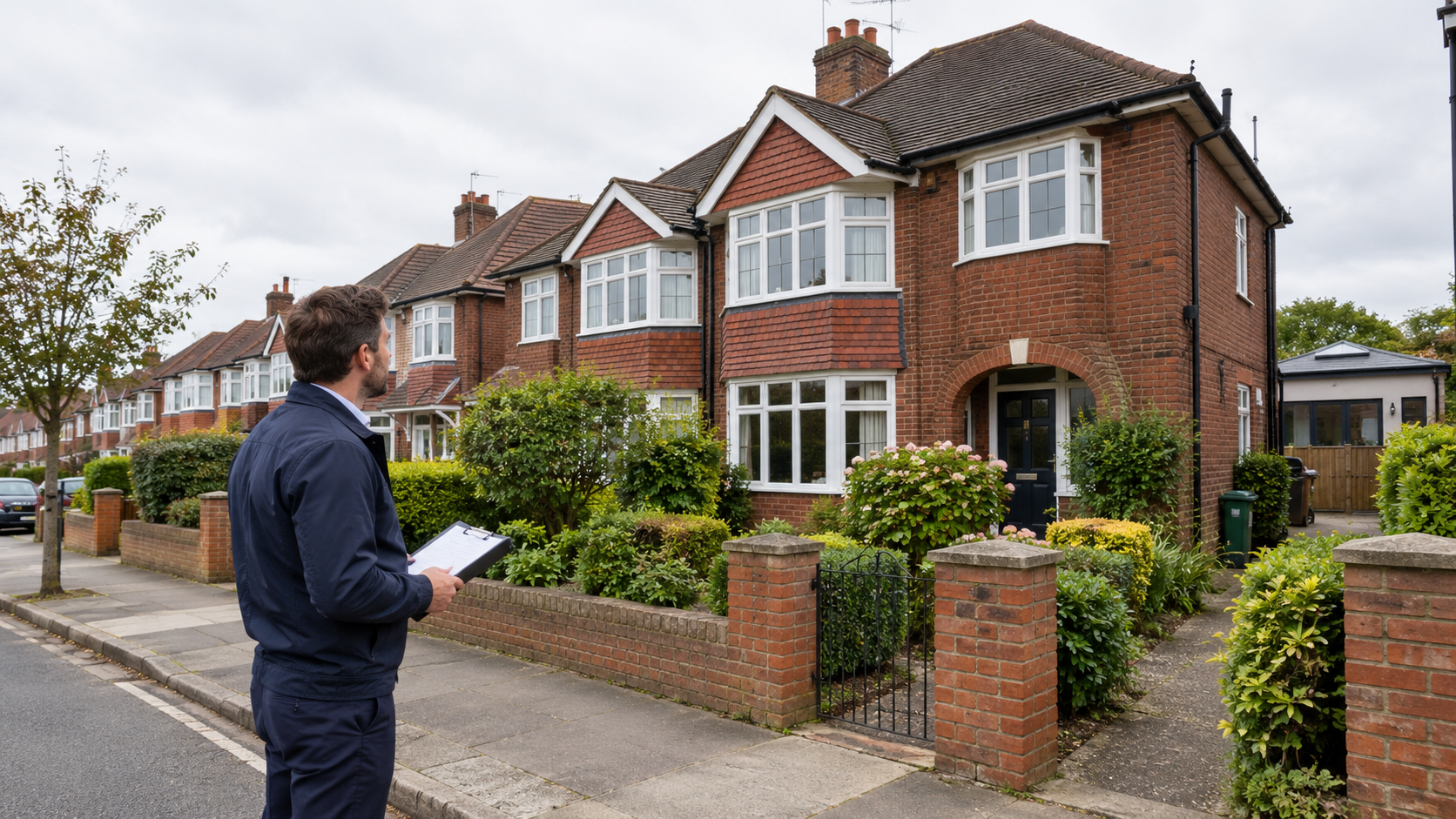
Choosing the wrong surveyor costs UK property buyers more than just money. It costs them certainty. With so many types of surveyors in the UK, each covering different property conditions, ages, and uses, it is easy to book the first available professional without understanding whether their expertise actually fits your property. This guide cuts through that confusion. You will learn which surveyor types exist, what each one covers, when to use them, and how to match your specific property to the right specialism before you sign anything.
| Point | Details |
|---|---|
| Match surveyor to property type | Choosing the right surveyor depends on whether your property is residential or commercial. |
| Know the survey levels | RICS Levels 1 to 3 vary in inspection depth and suit different property ages and complexities. |
| Valuation is separate | Decide if you need a property valuation along with your survey based on your financing needs. |
| Specialist surveyors add value | Specialist surveyors bring expertise in complex or commercial properties that can prevent costly errors. |
| Local experience matters | Surveyors familiar with your property’s location and type provide more accurate assessments. |
Before you start comparing surveyors, you need to understand what you actually need from the survey itself. That sounds obvious, but most buyers skip this step entirely and default to whatever their estate agent recommends.
The key factors that determine which surveyor you need are:
Which? frames the survey level decision as a match between property age and complexity and the depth of inspection required. The older and more unusual the property, the more thorough the report needs to be.
Pro Tip: Before booking any survey, write down the property’s approximate age, construction type, and any concerns raised during the viewing. This short list will tell you more about which surveyor you need than any checklist online. If you are still unsure, the guide to choosing a surveyor for UK property buyers is worth reading first.
Understanding the different residential surveyor types starts with understanding the RICS (Royal Institution of Chartered Surveyors) Home Survey framework. RICS standardised its residential reports into three levels, each one calibrated to a different type of property and buyer need.
| Survey level | Best suited for | Valuation included | Depth of inspection |
|---|---|---|---|
| Level 1 (Condition Report) | New builds and properties under 10 years old | No | Basic traffic light rating |
| Level 2 (HomeBuyer Report) | Standard homes in reasonable condition | Optional | Mid-level inspection and commentary |
| Level 3 (Building Survey) | Older, unusual, or structurally complex properties | No | Full structural and material assessment |
Buyers most often choose the Level 2 HomeBuyer Report as the standard mid-level option, with Level 3 recommended for older or more complex properties. Here is what each one actually delivers:
Building surveyor types at the residential level are almost always RICS-qualified, though RPSA (Residential Property Surveyors Association) members also offer comparable products. The report style differs, but the protection for buyers is comparable.
Pro Tip: If you are buying a property with an extension, a loft conversion, or any structural alteration, order at minimum a Level 2 survey. Better still, ask the surveyor directly whether a Level 3 is warranted based on what you tell them about the property. A good surveyor will advise you honestly rather than upsell.
Explore the full breakdown of residential survey options or compare the specifics of level 2 vs level 3 surveys before you commit.
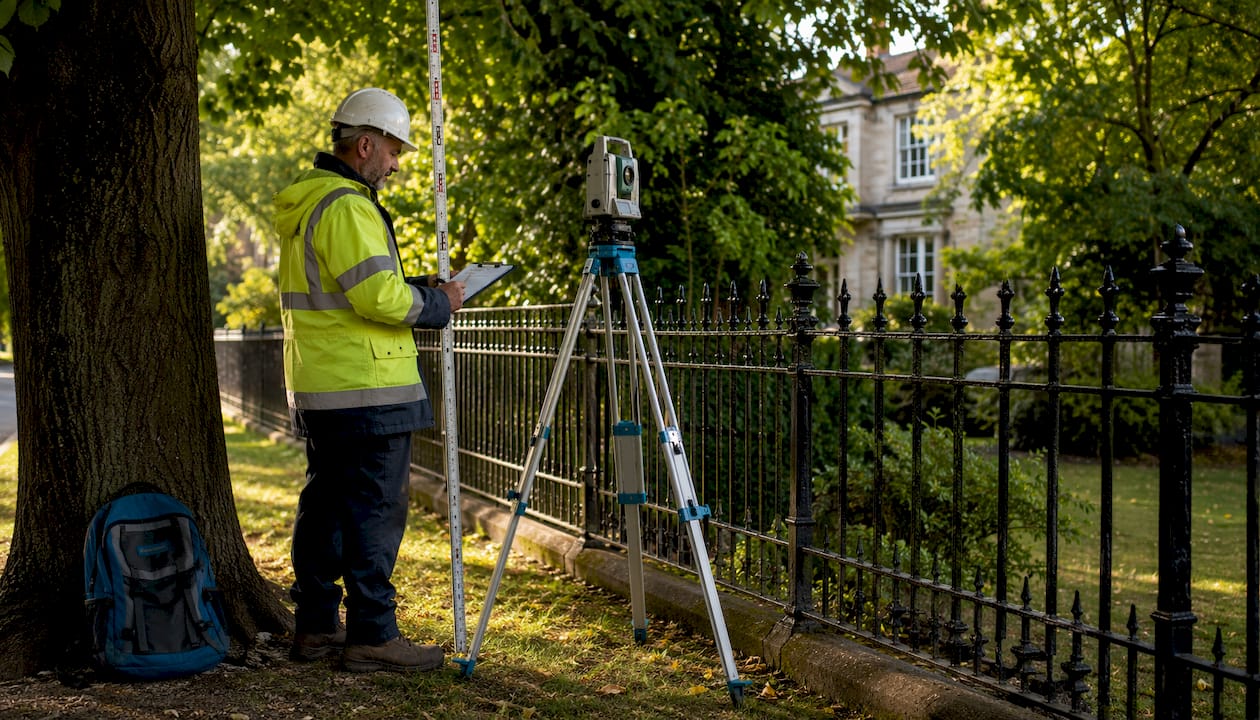
Residential surveys are just one corner of the surveying world. The role of surveyors in the UK extends well beyond HomeBuyer Reports and structural inspections. Different surveyor professions cover radically different property sectors, and getting this wrong when purchasing commercial property can be genuinely expensive.

RICS chartered surveyors specialise in several distinct areas, including residential property, commercial property, valuation, planning and development, and building surveying. These are not interchangeable. A residential surveyor does not hold the same expertise as a commercial property specialist, even if both carry RICS accreditation.
Key specialist surveyor types beyond residential include:
Understanding chartered surveyor roles in detail is worthwhile if your property purchase involves anything beyond a standard residential home.
Most buyers have heard of RICS, but far fewer have come across the RPSA. Yet both represent qualified professionals, and understanding the difference matters for residential buyers in particular.
| Feature | RICS surveyors | RPSA surveyors |
|---|---|---|
| Focus | Residential and commercial | Residential only |
| Report style | Standardised RICS format | Narrative, prose-based reports |
| Qualifications | MRICS or FRICS | RPSA membership qualification |
| PI insurance required | Yes | Yes |
| Complaints procedure | Yes (RICS dispute resolution) | Yes (RPSA process) |
| Survey products | Levels 1, 2, and 3 | HomeBuyer Survey and Building Survey equivalents |
Both RICS and RPSA are government-recognised bodies offering home surveys with different product styles and qualification routes. Neither is automatically superior. The choice often comes down to report style preference and which surveyor has the most relevant local experience.
Key considerations when choosing between the two:
Explore the full comparison of RICS vs RPSA surveyors to understand which body’s approach suits your situation better.
The different surveyor professions and report levels make more sense when you map them to real situations. Here are the scenarios you are most likely to encounter:
A survey is not a formality. It is the only independent assessment of the property’s true condition that you will receive before exchanging contracts. The £500 you spend on a Level 3 survey could save you £50,000 in remediation costs.
A Level 3 survey is specifically recommended for homes over 50 years old, those with unusual design features, or properties in poor condition. For a detailed breakdown by property age, the guide to survey types by property age provides strong practical guidance.
Pro Tip: If your offer has been accepted on an older property, request access for a brief walkthrough with the surveyor before they formally begin the inspection. Many experienced surveyors will tell you within minutes whether a Level 3 is warranted. Most do not charge for that initial conversation.
Here is something that rarely appears in mainstream property advice: most buyers choose their surveyor based on price and availability, not specialism. That might seem rational when you are already stretched on solicitor fees and stamp duty. In practice, it is often the single most expensive shortcut taken in the entire buying process.
A generic residential surveyor instructed on a Victorian property with a cellar conversion, a rear addition built in two separate phases, and a flat-felt roof above the kitchen extension is working at the edge of their comfort zone. They might flag the obvious. They will almost certainly miss the detail that matters most. Not through negligence, but through lack of relevant experience.
The real value of surveyor specialisation is not just about qualifications on paper. It is about pattern recognition. A surveyor who has inspected 200 Edwardian terraces knows exactly where damp ingresses in that construction type. A commercial building surveyor who has dealt with industrial unit acquisitions knows the compliance questions to ask that a residential surveyor would never think to raise.
Surveyors see this play out repeatedly: buyers who treated the survey as a box to tick, ordered the cheapest available option, and then faced unexpected remediation costs within 18 months of moving in. The pattern is consistent. The surveyor was technically qualified. The survey was formally compliant. But the specialism was wrong for the property.
The practical advice here is straightforward. Before booking, ask any surveyor directly how many properties of your specific type and age they have surveyed in the past 12 months. Ask whether they have local knowledge of the area. If the answer is vague, keep looking. The right surveyor for your property exists. Selecting the right surveyor from the outset protects your investment far more than any price comparison will.
Understanding the types of surveyors available is only half the work. Connecting with the right one, quickly and with confidence, is where most buyers still struggle.

Survey Merchant connects you with trusted, RICS-registered surveying professionals across the UK for residential and commercial property needs. Whether you need a thorough Level 3 building survey for a period property, a specialist assessment through our commercial property surveys service, or formal RICS valuation services for mortgage or financial planning purposes, we match you with surveyors who have the right experience for your specific property. No guesswork, no generic recommendations.
A Level 2 survey covers visible defects and suits most homes in reasonable condition, while Level 3 is recommended for older or structurally complex properties requiring a full structural assessment.
Valuations and condition surveys serve different purposes. Valuations support finance decisions and can be added to some survey types, but are not automatically included and should be ordered separately if required for mortgage or planning purposes.
Neither is objectively superior for residential work. Both are government-recognised bodies with different report styles and qualification routes; RICS covers a broader range of property types, including commercial, while RPSA focuses solely on residential surveying.
Always instruct a specialist commercial surveyor with relevant RICS accreditation. RICS surveyors specialise in commercial property among other disciplines, and a residential surveyor does not carry the knowledge required for commercial assessments.
Survey Merchant provides vetted RICS surveyors across 100+ UK locations at fixed fees:
→ Level 2 Home Survey (HomeBuyer Report)
→ Level 3 Building Survey (full structural survey)
→ RICS Red Book property valuations
→ Party wall surveyors — notices, awards & schedules of condition
→ Expert witness surveyors — CPR Part 35 reports for property disputes